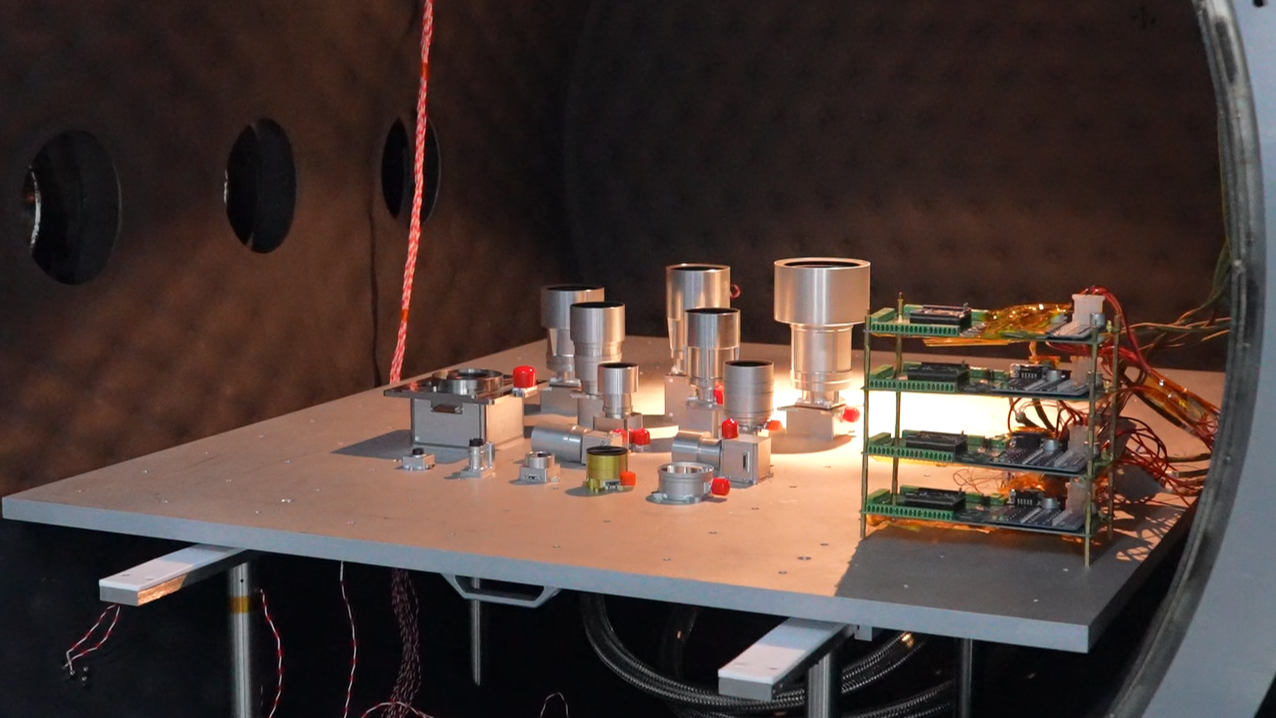
What Is a Star Tracker? Why Choose a Low-Cost Version?
A star tracker helps satellites determine their position and attitude in space. It captures images of stars and compares them with a pre-loaded star catalog. Then, the device accurately calculates the satellite’s attitude.
You can choose a low-cost satellite star tracker to reduce mission costs significantly. Moreover, low-cost options allow educational institutions and startups to launch viable missions. They achieve this without exceeding their budgets.

Advantages of Low-Cost Star Trackers
Cost-Effectiveness: Traditional star trackers often cost over $100,000. However, low-cost alternatives use mass-produced components. They drastically cut costs and suit constellation deployments.
Compact Size and Low Power Consumption: These trackers usually weigh less than 500 grams. They consume under 5 watts. Therefore, they fit perfectly with CubeSats (from 1U to 12U sizes).
Increased Accessibility: Universities and hobbyists now access space technology easily. In addition, many research missions adopt low-cost star trackers.
Technological Advances That Drive Down Costs
Low-cost star trackers have become much cheaper due to several breakthroughs. First, manufacturers adopt CMOS trackers. These trackers cost less and use less energy than CCDs. Thus, they revolutionize imaging technology.
Next, machine learning algorithms improve star identification efficiency. Neural networks train on massive datasets. Consequently, they process images faster and reduce the need for expensive hardware.
Send us a message,we will answer your email shortly!

TY-Space Technology (Beijing) Ltd. is professional focusing on advanced attitude optical sensors, especially Star Trackers for space industry.