CubeSat Star Tracker Cost: A Key Consideration for Small Satellite Missions

Home » Star Tracker Sensor Knowledge » CubeSat Star Tracker Cost: A Key Consideration for Small Satellite Missions
CubeSat Star Tracker Cost: A Key Consideration for Small Satellite Missions

CubeSat Star Tracker Cost: A Key Consideration for Small Satellite Missions

How Star Tracker Work and Their Importance in CubeSats

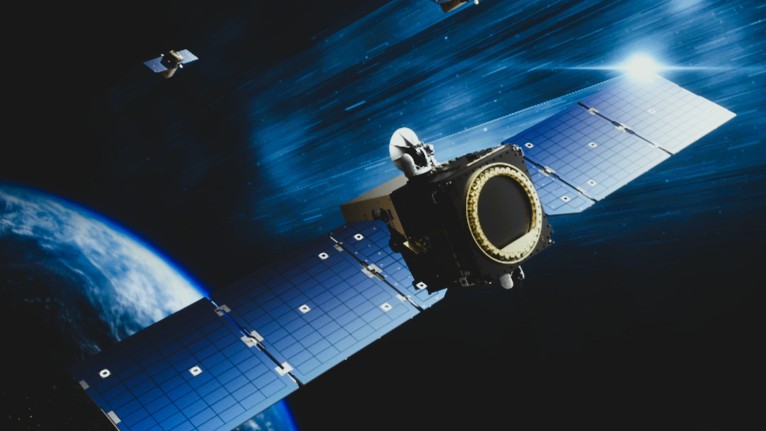
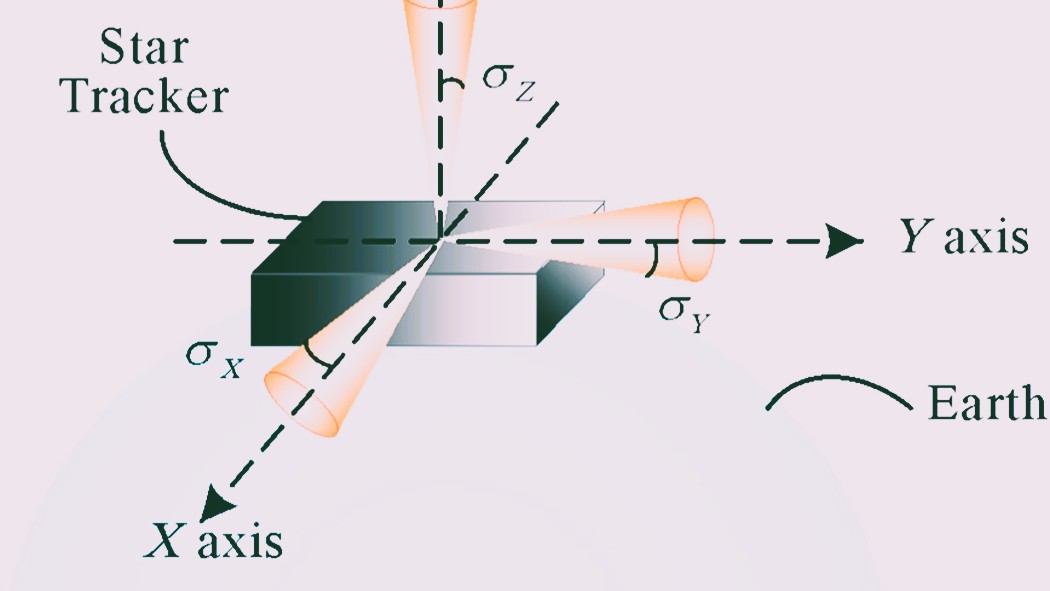
A star tracker determines a satellite’s orientation by capturing images of the night sky and comparing them with a preloaded star catalog. By identifying known stars, the star tracker calculates the satellite’s position relative to the fixed starry background, providing high-precision attitude data.

Star Tracker Cost

For CubeSats, star trackers must meet the following requirements:

  • Miniaturization: Designed to fit the compact size of CubeSats.
  • Low Power Consumption: Compatible with limited power resources.
  • Radiation Resistance: Capable of reliable operation in the space environment.

Factors Contributing to Star Tracker Costs

  1. Research and Testing: Designing a star tracker involves complex engineering, including optical design, image processing algorithms, and hardware integration. The equipment must undergo thermal vacuum tests, vibration tests, and radiation tests to ensure functionality during launch and in the space environment.
  2. High-Quality Components: High-precision lenses and image sensors are expensive, and electronic components must be space-grade.
  3. Manufacturing: Producing space-qualified hardware typically involves stringent quality control and small-batch production, leading to higher per-unit costs.
  4. Certification: Meeting ECSS or NASA standards requires additional documentation and audits, further increasing costs.

Why Cost Matters for CubeSat Missions

CubeSat missions are often developed by institutions with limited budgets, such as universities or startups, with total budgets typically ranging from hundreds of thousands to a million dollars. Deploying multiple CubeSats can enhance mission scientific returns and redundancy.

Limitations of Low-Cost Star Trackers

While low-cost star trackers are appealing, they come with limitations. The high price of commercial star trackers reflects their rigorously tested reliability and precision. Low-cost designs may compromise in the following areas:

  • Accuracy: They may not achieve the arcsecond-level precision of commercial products.
  • Reliability: Commercial off-the-shelf (COTS) components may be less durable than space-grade components.

Certification: Additional testing may be required to meet space standards.

0/5 (0 Reviews)

Send us a message,we will answer your email shortly!

    Name*

    Email*

    Phone Number

    Message*